How to Choose the Right Excavating Machinery Supplier for Your Business
- jgexcavators
- Apr 28
- 5 min read
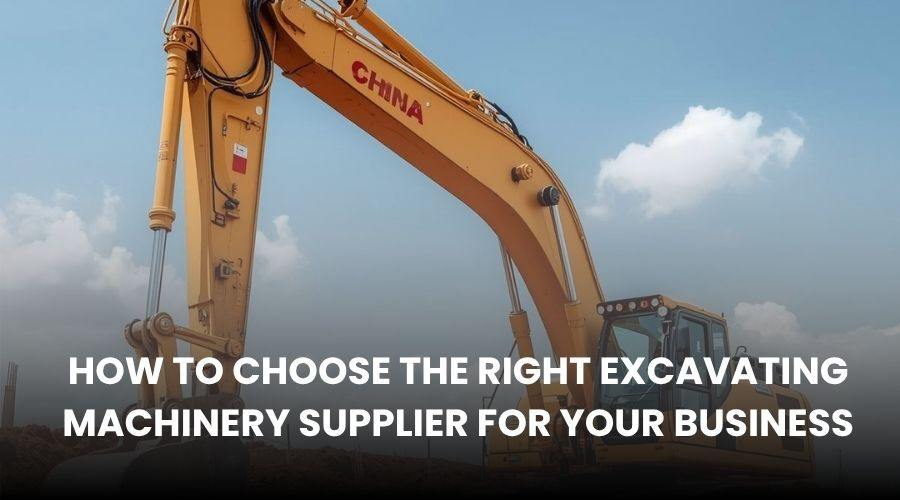
An excavating machinery supplier provides heavy equipment that supports construction, mining, and infrastructure projects. The supplier connects buyers with machines such as excavators, attachments, and spare parts. A reliable Excavating Machinery Supplier also ensures product quality, handles logistics, and delivers documentation required for smooth international trade operations.
An Excavating Machinery Manufacturer focuses on production, while a supplier may distribute equipment from multiple brands or factories. Some companies operate as both manufacturer and supplier, which allows better control over pricing and quality. Businesses benefit from understanding this distinction before selecting a sourcing partner for long-term procurement needs.
Why Is Choosing the Right Excavating Machinery Supplier Important?
The right supplier directly influences machine performance, operational efficiency, and project timelines. High-quality equipment reduces downtime and increases productivity on job sites. According to industry data, equipment downtime can reduce project efficiency by up to 20%, which highlights the importance of selecting a dependable supplier.
A poor supplier relationship often leads to delays, inconsistent quality, and higher maintenance costs. A professional Excavating Machinery Supplier helps businesses maintain predictable operations. This reliability supports better planning, cost control, and long-term return on investment across multiple construction or excavation projects.
What Types of Excavating Machinery Should Your Supplier Offer?
A capable supplier should offer a complete range of excavating machinery to meet different project requirements. Businesses often need crawler excavators for heavy-duty operations and mini excavators for confined spaces. A diverse product range allows buyers to scale operations without switching suppliers.
Suppliers should also provide attachments such as buckets, breakers, and grapples. These tools expand machine functionality and improve job site efficiency. A supplier that supports customization helps businesses align equipment with specific industry needs, including construction, agriculture, and mining applications.
How Do You Evaluate a Supplier’s Industry Experience and Reputation?
Industry experience reflects a supplier’s ability to deliver consistent quality and reliable service. Companies with several years of operation typically maintain stable production processes and established supply chains. This stability reduces procurement risks and improves confidence in long-term partnerships.
Customer feedback and case studies provide insight into real-world performance. Verified reviews highlight how a supplier handles product quality, delivery timelines, and after-sales service. A company like Jinggong Machinery, for example, builds credibility by maintaining a strong export record and consistent client satisfaction across global markets.
Certifications also indicate reliability. Suppliers with ISO certifications follow structured quality management systems. These standards ensure consistent production and compliance with international safety requirements. Businesses should always verify certifications before committing to large equipment purchases.
What Manufacturing and Quality Control Standards Should You Check?
Quality control plays a critical role in excavating machinery performance. A reliable Excavating Machinery Manufacturer follows strict inspection procedures during production. These checks include raw material verification, component testing, and final assembly inspections to ensure each machine meets operational standards.
Pre-shipment testing ensures equipment performs correctly before delivery. Many professional suppliers offer third-party inspection services to validate product quality. According to global manufacturing studies, companies that implement structured quality control processes reduce product defects by over 30%, which significantly improves buyer confidence.
What Pricing Structure and Cost Factors Should You Consider?
Pricing should remain transparent and competitive. Buyers must understand whether quotes include shipping, insurance, and duties. Clear pricing structures help businesses avoid unexpected costs that can affect project budgets and profitability.
Total cost of ownership provides a more accurate evaluation than initial purchase price. Fuel efficiency, maintenance costs, and spare parts availability all contribute to long-term expenses. Research shows that maintenance can account for up to 40% of total equipment lifecycle costs, which makes supplier support essential.
How Reliable Is Their Supply Chain and Delivery Capability?
Supply chain reliability determines whether projects stay on schedule. A dependable Excavating Machinery Supplier maintains consistent production capacity and meets agreed delivery timelines. Delays in machinery delivery can disrupt operations and increase project costs.
Suppliers with strong logistics experience handle export documentation and shipping processes efficiently. They provide essential documents such as invoices, packing lists, and certificates of origin. Efficient logistics management ensures smooth customs clearance and timely delivery to project sites.
What After-Sales Support and Service Do They Provide?
After-sales service defines the long-term value of a supplier relationship. A professional supplier offers technical support, troubleshooting assistance, and operator training. These services help businesses maximize equipment performance and reduce operational risks.
Spare parts availability also affects machine uptime. Suppliers with strong inventory systems ensure quick access to replacement parts. Warranty policies provide additional security by covering defects or performance issues. Reliable after-sales support improves equipment lifespan and overall productivity.
How Do You Assess Communication and Customer Service Quality?
Effective communication builds trust and ensures smooth transactions. A responsive supplier answers inquiries quickly and provides clear, accurate information. This transparency reduces misunderstandings and supports better decision-making during the procurement process.
Dedicated account management improves service quality. Suppliers who assign account managers provide personalized support and maintain consistent communication. Strong customer service reflects a supplier’s commitment to long-term partnerships rather than one-time transactions.
Should You Choose a Local or International Excavating Machinery Supplier?
Local suppliers offer faster delivery and easier communication. They simplify logistics and reduce shipping costs for urgent requirements. However, local options may have limited product variety or higher pricing compared to international suppliers.
International suppliers often provide competitive pricing and a wider product range. Many global buyers source equipment from established manufacturers to reduce costs. Businesses should evaluate both options based on project scale, budget, and delivery timelines to make informed decisions.
How Can You Verify a Supplier Before Making a Purchase?
Supplier verification reduces procurement risks and ensures reliability. Businesses should review company credentials, certifications, and operational history. Factory audits or virtual tours provide insight into production capabilities and quality standards.
Trial orders allow buyers to test equipment performance before committing to large purchases. Third-party inspection agencies also help verify product quality and supplier credibility. These steps create a structured evaluation process that supports confident purchasing decisions.
What Red Flags Should You Avoid When Choosing a Supplier?
Certain warning signs indicate potential risks. Unrealistically low prices often suggest compromised quality or hidden costs. Lack of certifications or incomplete documentation raises concerns about compliance and reliability.
Poor communication also signals operational inefficiencies. Suppliers who delay responses or provide unclear information may struggle with order management. Businesses should avoid partners who cannot demonstrate transparency, consistency, and verified experience in the industry.
What Questions Should You Ask Before Signing a Contract?
Asking the right questions helps clarify expectations and avoid misunderstandings. Buyers should confirm production capacity, quality standards, warranty policies, and after-sales support. Clear answers indicate professionalism and preparedness.
Suppliers should also provide references from previous clients. These references validate performance and reliability. A structured discussion before contract signing ensures both parties align on expectations, reducing the risk of disputes during the transaction.
How Do You Compare Multiple Suppliers Effectively?
Supplier comparison requires a structured evaluation process. Businesses should assess pricing, product quality, delivery timelines, and service support. Consistent criteria allow objective comparison across multiple suppliers.
A systematic approach helps identify the best value rather than the lowest price. Companies that use structured supplier evaluation methods improve procurement efficiency and reduce operational risks. This process ensures long-term reliability and cost-effectiveness.
What Is the Step-by-Step Process to Choose the Right Supplier?
Businesses should begin by defining their equipment requirements and project scope. Clear specifications help identify suitable suppliers and streamline the selection process. This clarity reduces time spent evaluating unsuitable options.
The next stage involves shortlisting suppliers, requesting quotations, and verifying credentials. Businesses should then evaluate product quality, negotiate terms, and place a trial order. This structured approach ensures a reliable and efficient supplier selection process.
Conclusion: How Can the Right Supplier Drive Your Business Growth?
The right Excavating Machinery Supplier plays a critical role in operational success. Reliable equipment improves efficiency, reduces downtime, and supports consistent project delivery. Strong supplier relationships also enhance cost control and long-term profitability.
Businesses that choose experienced partners such as Jinggong Machinery benefit from consistent quality, reliable support, and global expertise. A strategic approach to supplier selection ensures sustainable growth and positions companies for success in competitive construction and excavation markets.
Comments